
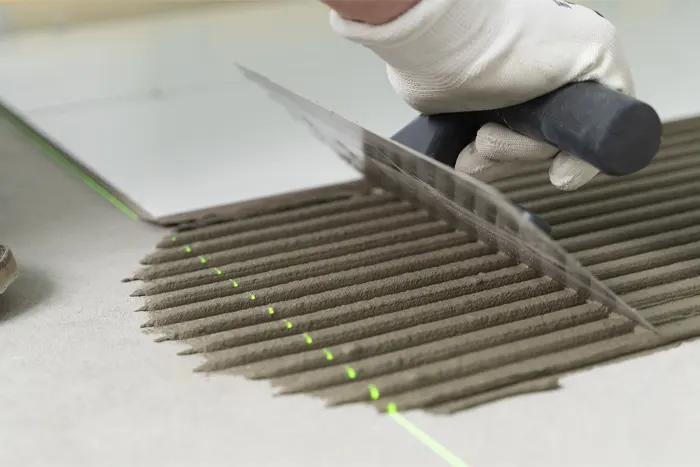
One of the first questions homeowners ask before any tiling job is simple: how much will a tiler cost? It is a fair question, and the honest answer is that the price depends on a handful of things you can actually plan for. This guide breaks down what a tiler charges in New Zealand, how pricing is worked out, and where your money really goes, so you can set a realistic budget before you ask for a single quote.
What Does a Tiler Charge in New Zealand?
Most tilers in New Zealand price work in one of two ways. For small jobs and repairs, they charge by the hour. For larger areas, they quote by the square metre. As a general guide, hourly rates sit between $45 and $150 per hour, depending on the tiler’s experience and the difficulty of the job. For bigger areas, labour usually works out to roughly $80 to $150 per square metre for qualified work, though simple layouts can be lower and complex jobs with waterproofing and lots of cutting can push the rate higher.
Why the wide range? An apprentice and a seasoned professional do not charge the same, and they do not work at the same speed either. A cheaper rate can sometimes cost you more if the work takes longer or has to be redone. Tiling is precise, and it is one of the areas where good value usually beats the lowest price.
Labour Only or All in? Read the Quote Carefully
This is where a lot of confusion starts. A per square metre price almost always means labour only. It usually covers tile cutting, laying, grouting, and a basic clean up. It does not normally include the tiles themselves, the adhesive, waterproofing membranes, trims, or underfloor heating unless your tiler says so in writing. When you compare two quotes, make sure they include the same things, because a low number that leaves out waterproofing is not really cheaper. It is just less complete.
The Factors That Move the Price
Two tiling jobs that look the same on paper can land at very different prices. Here is what actually drives the number on your quote.
5 Things That Move Your Tiling Price
1
Tile type and size
Ceramic is cheapest, stone and mosaic cost more in both material and labour.
2
Surface preparation
Levelling and old tile removal add around $10 to $30 per m².
3
Waterproofing
Required in wet areas, often with certified PS3 sign off. Worth every cent.
4
Layout complexity
Niches, cut outs, and patterns like herringbone add time and cost.
5
Where you live
Main centres sit higher, and Auckland often runs above the national average.
Tile Type and Size
The tile you pick changes both the material cost and the labour. Ceramic tiles are the most affordable, often $30 to $80 per square metre. Porcelain is denser and harder wearing, usually $40 to $120. Natural stone like marble or travertine is the premium end and can run from $60 to well over $300. Mosaic and patterned layouts take far more time to lay, so they add to the labour as well. If you want to understand the trade off between paying more upfront and getting longer life, we cover that in detail in our guide on how better materials affect cost and quality.
Surface Preparation
Tiles are only as good as what sits beneath them. If the floor needs levelling, or old tiles need pulling up, that adds time. Preparation work typically adds $10 to $30 per square metre, and skipping it is the fastest way to end up with cracked tiles or lifting grout a year later. This matters most in older homes, where surfaces are often uneven and need repair before a single tile goes down. A good tiler will not lay over a surface that is not ready, and that is a sign you have hired the right person.
Waterproofing in Wet Areas
Any bathroom, shower, or laundry needs proper waterproofing before tiling, and in many cases this work needs to be signed off. In New Zealand, wet area waterproofing has to meet the Building Code, and you can read the official requirements on the Building Performance website run by the government. For projects that require council sign off, you will also need a PS3 producer statement from a registered applicator. This is not an optional extra. It is the layer that protects your home from hidden water damage, which is why we treat bathroom waterproofing as a core part of every wet area job rather than an add on. Tilers who are certified to do this work and issue the paperwork often charge a little more, and the extra is worth it.
Layout and Complexity
A plain rectangular floor is quick. A bathroom full of niches, cut outs around a vanity, curved walls, and tricky corners is slow. Diagonal and herringbone patterns also take longer because every cut has to be exact, and they can add anywhere from $10 to $50 per square metre. The more cuts and detail, the more hours, and the higher the labour cost.
Where You Live
Location plays a part too. Rates in the main centres tend to sit at the higher end of the scale, and Auckland in particular often runs above the national average because demand and running costs are higher. That does not mean you are being overcharged. It reflects the local market.
Typical Project Costs to Expect
Per square metre rates are useful for rough planning, especially with bathroom renovation services, but most people want a total. These are ballpark figures for common jobs in New Zealand, covering labour and adhesives but not the tiles themselves.
Typical Project Costs
Labour and adhesives, tiles not included
Kitchen Splashback
$800 to $1,300
Simple Bathroom Tile
$800 to $1,200
Full Bathroom Fitout
$6,500 to $8,500+
A kitchen splashback often lands between $800 and $1,300, with the price shaped by cuts around cabinets, the rangehood, and power points. A simple bathroom floor and wall tile job can start from around $800 to $1,200 for a basic layout with standard tiles. A full bathroom with a waterproofed walk in shower, floor and wall tiling, a tiled niche, and underfloor heating sits at the higher end, often $6,500 to $8,500 or more. Tiling a bathroom by area usually works out to roughly $70 to $150 per square metre, before tiles.
Keep in mind that small jobs often carry a minimum charge. A tiler still has to travel, set up, and clean up for a one hour repair, so do not be surprised by a call out fee or a minimum half day rate on tiny tasks.
A Simple Worked Example
Say you are tiling a standard bathroom floor of about 6 square metres with mid range porcelain. At roughly $120 per square metre for labour, that is around $720 in labour. Add the tiles at, say, $70 per square metre, and that is another $420. Then add waterproofing, adhesive, grout, and prep, and a realistic all in figure for that small floor sits well above the labour number alone. This is exactly why a written, itemised quote beats a rough per metre guess every time.
If you want to see the full range of work and where your project might fit, our overview of professional tiling services across Auckland walks through the options for both homes and commercial spaces.
Should You do it Yourself Instead?
It is tempting to save on labour and tile it yourself. For a small, dry, low risk area, that can work if you are handy. But the moment water is involved, the maths changes. A mistake in a wet area is not just cosmetic. It can rot framing and lead to repairs that cost far more than the labour you tried to save. A professional gets the falls right, lays full coverage adhesive, and finishes the grout and seal properly the first time.
Do Not Forget Ongoing Costs
The price of the job is not always the end of it. Natural stone usually needs sealing every year or two, which can run a couple of hundred dollars. Grout may need occasional repair over the years, and a periodic professional clean keeps everything looking sharp. Good quality materials and a careful install keep these costs low, which is another reason cutting corners early rarely pays off.
How to Compare Tiler Quotes the Smart Way
The cheapest quote is not always the best value, and the most expensive is not always the safest. Always get the quote in writing and check what is actually included. A clear quote should list labour, adhesives, waterproofing, preparation, and whether tiles are part of the price or separate. For neutral advice on choosing and dealing with tradespeople, Consumer NZ is a trusted independent source. It also pays to check that your tiler is part of a recognised body such as the Tiling Association of New Zealand, which sets standards for the trade.
A few simple questions tell you a lot. Ask how the surface will be prepared, whether waterproofing is included and certified, and what happens if something goes wrong after the job. A tiler who answers these clearly is one worth hiring.
The Bottom Line
“
A tiler in New Zealand usually charges $45 to $150 an hour, or roughly $80 to $150 per square metre for qualified labour. The smartest way to budget is to focus on value, because good tiling done once will outlast cheap tiling done twice.
If you would like a clear, itemised price for your own project with no surprises, you can request a free on-site quote and know exactly what you are paying for before any work begins.
FAQs About Tiler Cost in NZ
Table of Content