Concrete Waterproofing Auckland

Prevent costly damage with expert concrete waterproofing

Stop Water Damage Before It Becomes Structural Damage

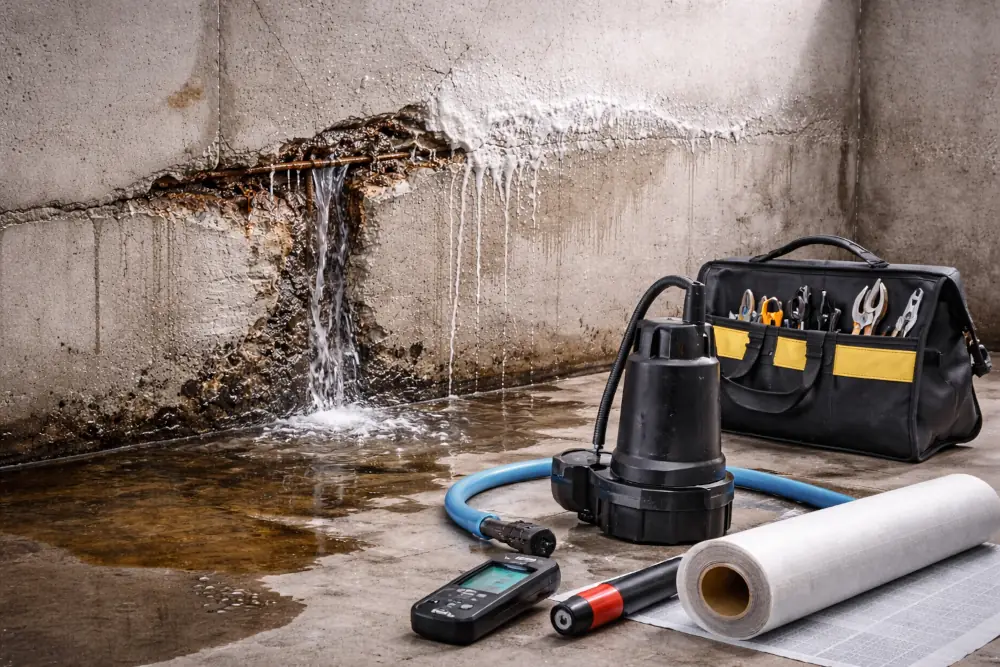
Concrete might look solid – but in Auckland’s wet climate, it’s one of the most common sources of hidden water damage.

If your concrete isn’t properly waterproofed, water will find a way in. And once it does, the damage doesn’t stay on the surface.

  • Damp patches and leaks
  • Efflorescence (white salt stains)
  • Cracking and surface deterioration
  • Rusting steel reinforcement inside the slab
  • Long-term structural weakening

Dakom Tiling Services in Auckland, NZ

By the time you can see the problem, it’s often already expensive to fix.

At Dakom Tiling, we provide professional concrete waterproofing in Auckland designed to stop water at the source – not just temporarily cover it up.

0+
HOME PROJECTS DONE
0+
BUSINESS PROJECTS DONE
0+
HAPPY CLIENTS
0hr
HOURS AVAILABLE

Where Concrete Waterproofing Matters Most

Waterproofing isn’t just for basements. We protect all high-risk concrete areas, including:

  • Basement floors and retaining walls
  • Concrete slabs and foundations
  • Podium decks and balconies
  • Driveways and external concrete surfaces
  • Pool surrounds and outdoor tiled areas
  • Substrates beneath bathroom and wet area tiling

If water is present – or even possible – waterproofing is not optional. It’s protection.

Why Most Waterproofing Fails

Many waterproofing jobs fail within a few years. The reason is simple:

👉 Wrong system. Wrong application. No diagnosis.

Common issues we see:

  • Coatings applied to damp or unprepared concrete
  • Internal “quick fixes” that ignore external pressure
  • No allowance for movement or cracking
  • Poor detailing around joints and penetrations

Water doesn’t need a big opening – just a weakness.

The Right System for the Right Situation

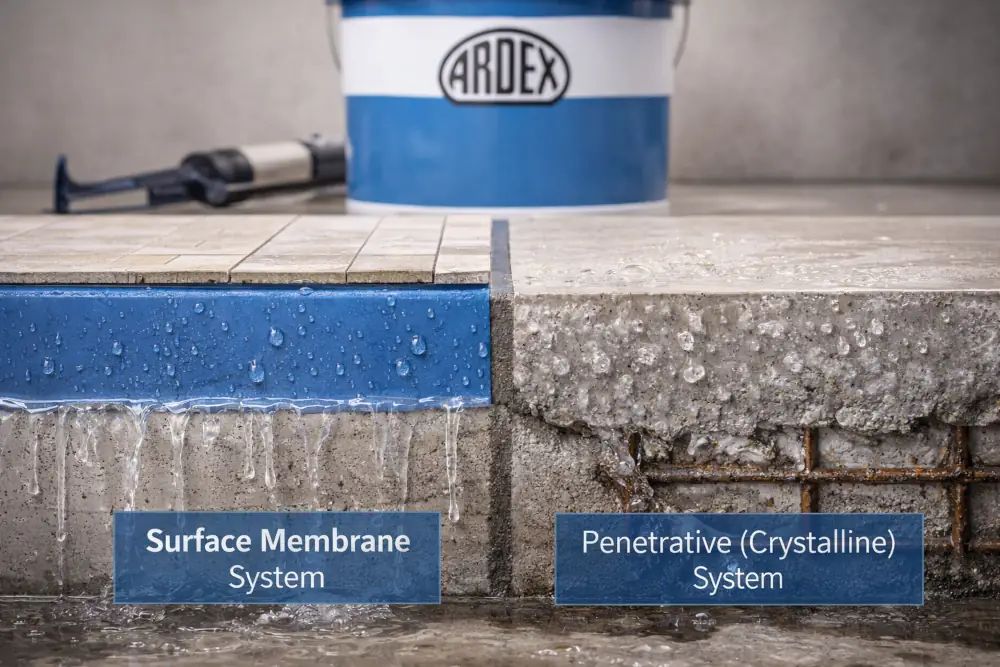
Not all waterproofing methods are the same. We use proven ARDEX systems, selected based on your specific structure and conditions.

Surface Membrane Systems

  • Flexible protective barrier over concrete
  • Ideal under tiles, decks, and exposed areas
  • Handles movement and prevents surface ingress

Penetrative (Crystalline) Systems

  • React inside the concrete itself
  • Block water from within the pores
  • Perfect for basements and below-ground structures

We don’t guess – we assess first, then apply the correct system.
dakom-tiling-bathroom-services-auckland

Remedial Concrete Waterproofing (Fixing Leaks Properly)

If your concrete is already leaking, patching the surface won’t solve it.

We take a diagnostic approach:

  1. Identify where the water is entering
  2. Understand how it’s travelling through the structure
  3. Apply a targeted waterproofing solution

No shortcuts. No repeat failures.

Why Choose Dakom Tiling

  • PS3 Certified Waterproofing Installers
  • ARDEX-approved systems and specifications
  • Experience across residential and commercial projects
  • Detailed surface preparation and correct application
  • Clear communication – no guesswork

We don’t just apply products – we provide long-term protection.

Dakom Tiling Banner

Concrete Waterproofing Auckland

Protect your concrete from leaks and costly damage with expert waterproofing that lasts.

Get Your Free Quote

Why Should You Choose Dakom Tiling?

We ensure that streamlined processes are in place for our customers in order to provide great service and experience. Prompt communication and focus on above and beyond make us stand out from the rest.

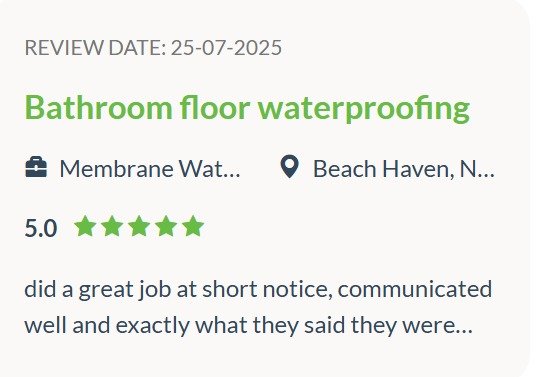
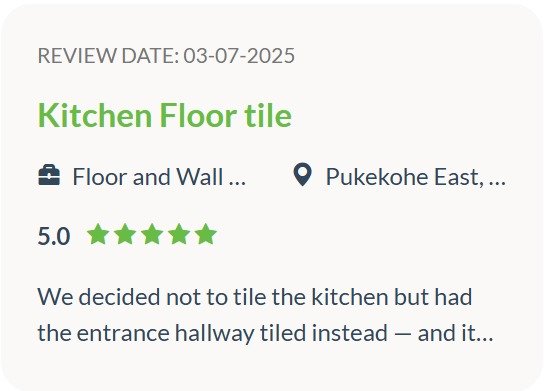
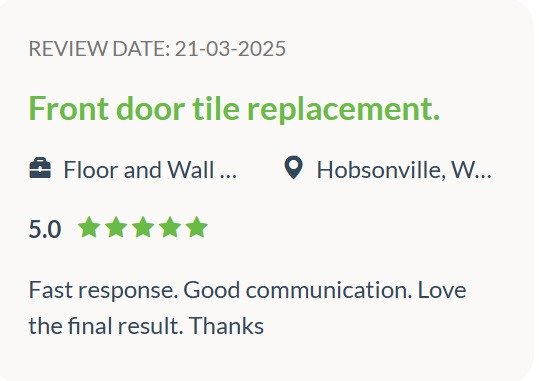
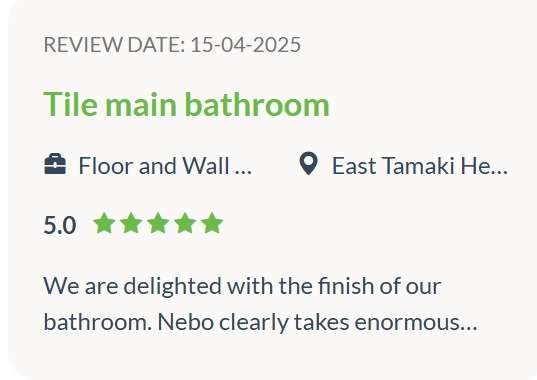
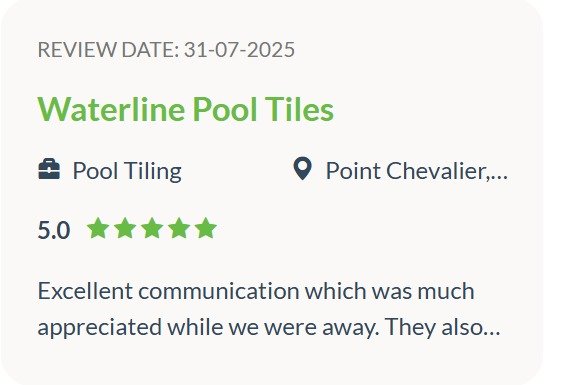
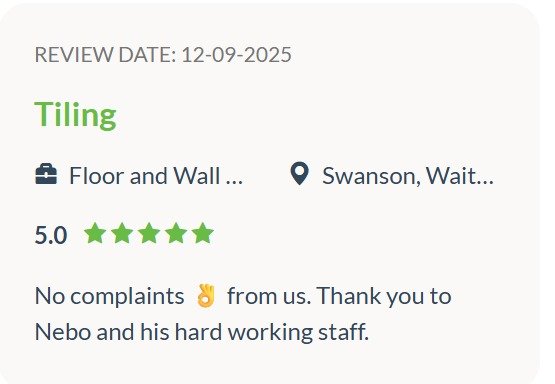
4.9 Reviews on Builderscrack

We are proud to serve Auckland area customers and provide best tiling experience from start to finish. On Builderscrack our customers reviewed us with 4.9 stars across the board. For more information and detailed reviews click here to see our Builderscrack public profile.
Trusted Partners We Work With

We only work with trusted suppliers and materials so our customers can be sure they will have the best results from start to finish.

FAQs

Got questions? Here’s everything you need to know before hiring a tiler

The white powdery residue you are seeing is called efflorescence – it is caused by water moving through the concrete and carrying soluble salts to the surface as it evaporates. It is one of the most reliable early warning signs that water is actively migrating through your concrete walls or floor, and it should not be ignored. Simply painting over it or cleaning it off will not solve the underlying problem – the moisture source needs to be addressed first. In Auckland, basement walls are under constant hydrostatic pressure from groundwater, particularly during the heavy winter rainfall the city regularly experiences. A qualified waterproofing specialist will assess whether the source is hydrostatic pressure, poor site drainage, cracked concrete, or failed joints, and recommend the appropriate solution, which may range from crack injection and penetrating sealers through to external excavation and membrane application, depending on the severity.

For below-ground concrete structures, external waterproofing is almost always the superior solution – and this is consistently the position of waterproofing professionals across New Zealand. Applying a membrane to the external face of a concrete wall prevents water from ever entering the structure, protecting both the waterproofing layer and the concrete itself from hydrostatic pressure. Internal coatings and sealers, while sometimes used as a temporary or supplementary measure, work against the direction of water pressure – which means they are prone to failure over time and can cause the wall material to deteriorate behind the coating. External waterproofing does involve excavation, which adds cost and disruption, but it addresses the problem at its source and is the method specified under New Zealand building standards for permanent below-ground waterproofing. Where excavation is not feasible, injection grouting and crystalline waterproofing systems can provide effective internal solutions, but these decisions should be made by an experienced specialist.

Yes, but the climate does affect both product selection and installation timing. Auckland’s high humidity levels, frequent rainfall, and temperature fluctuations mean that waterproofing systems need to be flexible enough to accommodate thermal movement in concrete and durable enough to perform under sustained moisture exposure. Products must also be applied under appropriate conditions – high humidity can slow curing times and heavy rain can halt outdoor work entirely. Approved systems from manufacturers such as Sika, Ardex, and Mapei are widely used in Auckland and are tested for local conditions. For below-ground concrete work, liquid-applied bituminous membranes, crystalline waterproofing systems, and two-part epoxy coatings are all established options depending on the substrate and application. Your waterproofing contractor should be trained and certified by the manufacturer of the system they specify – using an unapproved applicator can void the product warranty.

It depends on where and what is being waterproofed. For internal wet area waterproofing – such as bathroom shower membranes installed under tiles – building consent is required when the work involves a new tiled shower, altered plumbing, or structural changes. Once consent is issued, a PS3 Producer Statement from a certified waterproofing installer is required before Auckland Council will issue a Code Compliance Certificate. For external below-ground waterproofing such as basement tanking or retaining walls, building consent is typically required as part of the broader structural work. New Zealand Building Code Clause E2 (External Moisture) governs below-ground and external waterproofing, while Clause E3 (Internal Moisture) covers wet area waterproofing inside buildings. If you are unsure whether your specific project requires consent, checking with Auckland Council or a qualified waterproofing contractor before work begins is strongly recommended – unconsented work can create serious problems when selling or insuring the property.

A professionally installed waterproofing system on concrete should last 10 to 25 years or more depending on the product, application quality, and the conditions it is exposed to. Liquid-applied membranes on decks and roofs typically have a shorter service life than below-ground tanking systems because they are exposed to UV, foot traffic, and weather. The most common signs that a system needs attention are persistent damp patches or staining on interior walls or ceilings, efflorescence appearing on concrete surfaces, a musty smell that does not go away despite cleaning and ventilation, visible cracks in the concrete or failed sealant at joints and penetrations, and water appearing after heavy rain in areas that were previously dry. Regular inspection – particularly after Auckland’s winter storms – is the best way to catch issues early before minor seepage develops into costly structural damage. A waterproofing contractor can assess the condition of an existing system and advise whether a repair, recoat, or full replacement is appropriate.

Get A Quote Today

Let us know about your project, small or big, and we will make sure to make it for you.