Commercial Tiling Auckland

From offices to large facilities – we deliver precision, durability, and on-time completion.

Auckland’s Commercial Tiling Contractor With Expertise

Builders, project managers, and business owners across Auckland trust Dakom Tiling to deliver commercial tiling that meets spec, hits deadlines, and holds up under real-world conditions.

Since 2016, we’ve completed 500+ commercial projects – retail fit-outs, hospitality venues, office builds, healthcare facilities, and more. We’re PS3-certified waterproofing installers and Auckland Council-approved applicators, so we can carry full responsibility for both tiling and waterproofing under a single contract.

commercial-tiling-services-auckland-floor-wall-kitchen-bathroom-outdoor

At Dakom Tiling, we deliver commercial tiling projects across Auckland, focusing on durability, compliance, and consistency at scale. Since 2016, we have completed projects across:

  • Retail spaces
  • Hospitality venues
  • Office fit-outs
  • Healthcare environments

We understand the expectations placed on commercial contractors, and we structure our work to meet them without compromise.

0+
HOME PROJECTS DONE
0+
BUSINESS PROJECTS DONE
0+
HAPPY CLIENTS
0hr
HOURS AVAILABLE

Our Auckland Commercial Tiling Services

We handle the full scope of commercial tiling across Auckland:

  • Floor tiling for high-traffic retail, hospitality, and office environments
  • Wall tiling for wet areas, feature walls, and architectural finishes
  • Bathroom and amenity block tiling
  • Commercial kitchen and food preparation area tiling
  • Reception, lobby, and entrance tiling
  • Outdoor and alfresco commercial surfaces
  • Waterproofing (PS3-certified, Auckland Council approved)

We work directly with builders, project managers, and architects, integrating into your programme from the start, not scrambling to catch up at the end.

Why We Specify Epoxy Grout on Commercial Projects

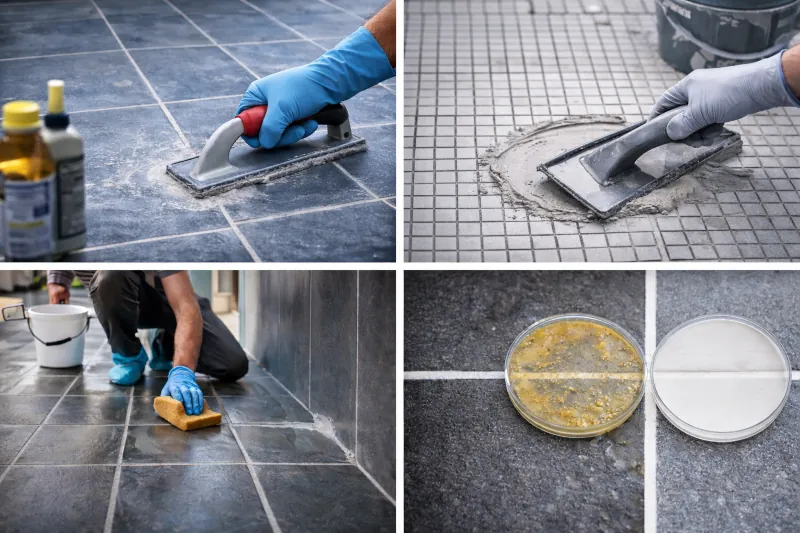
In commercial environments, epoxy grout isn’t an upgrade – it’s the correct specification. Compared to standard cement grout, epoxy grout is non-porous, resistant to cleaning chemicals, hygienically superior in food and healthcare environments, and significantly more durable under heavy foot traffic.
epoxy-grout-commercial-tiling-auckland-durability-hygiene-cleaning

Specifying it correctly from day one reduces long-term maintenance costs and avoids costly grout replacement during the building’s active life. We’ll advise you on the right grout system for your environment during the quoting stage – not after it’s already been installed.

What Commercial Tiling Actually Requires

Residential tiling is forgiving. Commercial tiling is not. Across large surface areas with heavy foot traffic, small errors compound fast into lippage, grout cracking, lifting tiles, and compliance failures. Fixing those problems while a business is operating costs far more than doing it right the first time.

Commercial tiling requires:

  • Correct material specification from the start – tiles, adhesives, grout systems, and movement joints suited to the actual environment and load.
  • Substrate preparation done properly – especially for large-format tiles, where any deviation in flatness becomes visible and structurally problematic.
  • Slip resistance compliance – for all public-facing areas, getting this wrong is a liability issue, not just a finish problem.
  • Consistency at scale – minor deviations that are invisible in a bathroom become glaring across a 200m² retail floor.

We’ve built our commercial process around these realities. That’s why project managers and head contractors keep coming back.

Dakom Tiling Banner

Built for Performance

Durable. Compliant. Built to handle high-traffic environments with precision and reliability.

Get Your Free Quote

Why Should You Choose Dakom Tiling?

We ensure that streamlined processes are in place for our customers in order to provide great service and experience. Prompt communication and focus on above and beyond make us stand out from the rest.

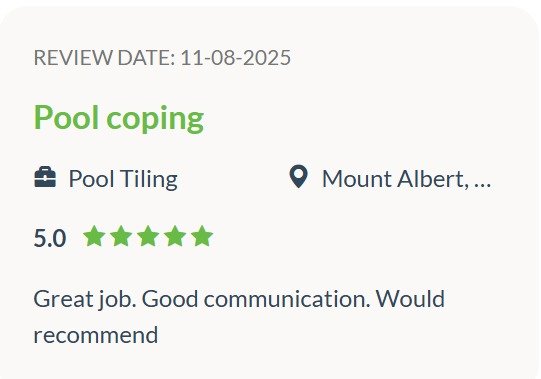
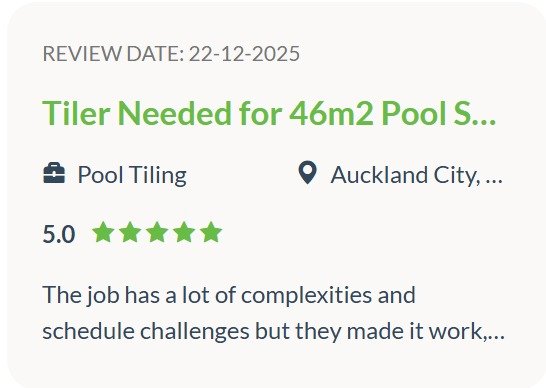
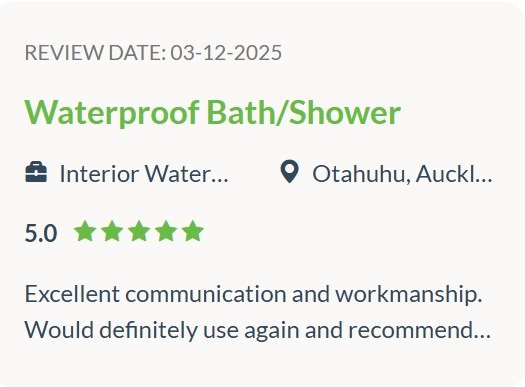
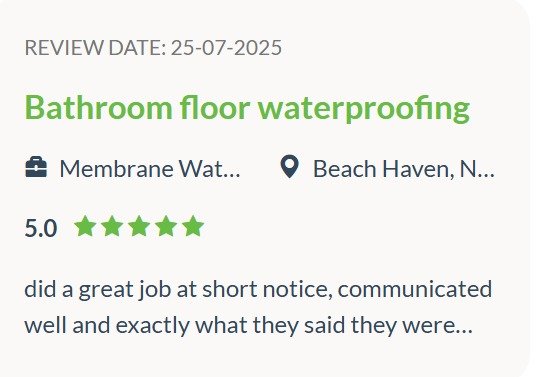
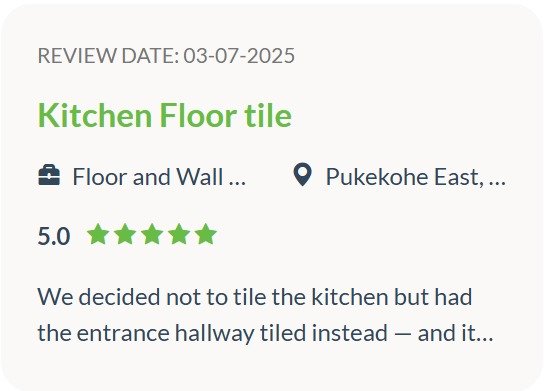
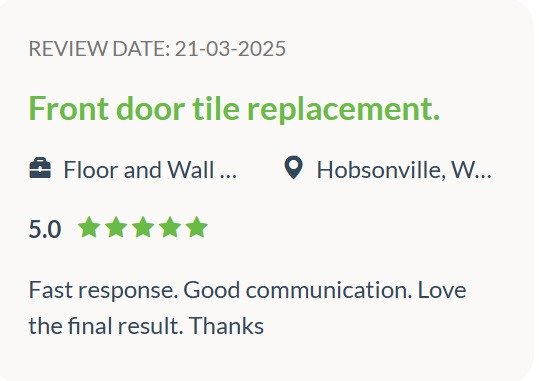
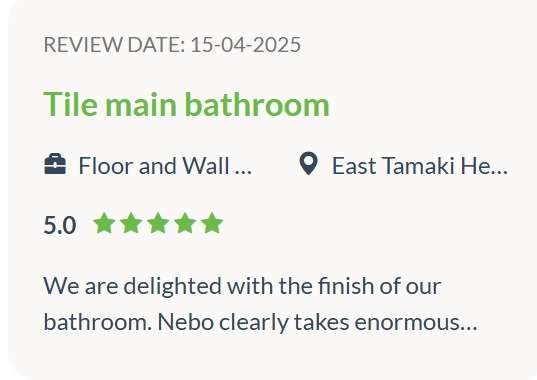
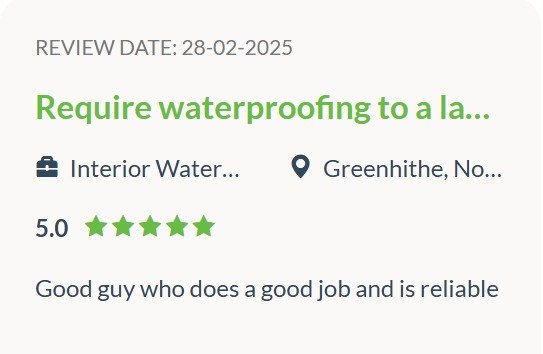
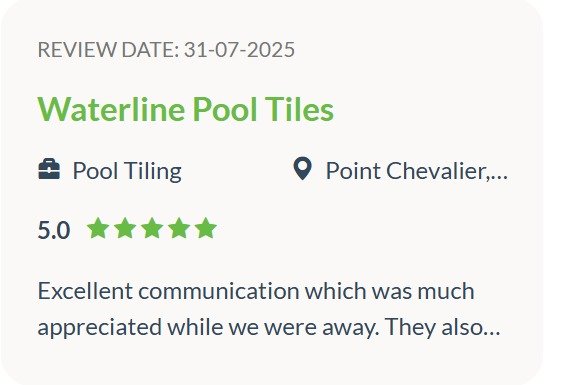
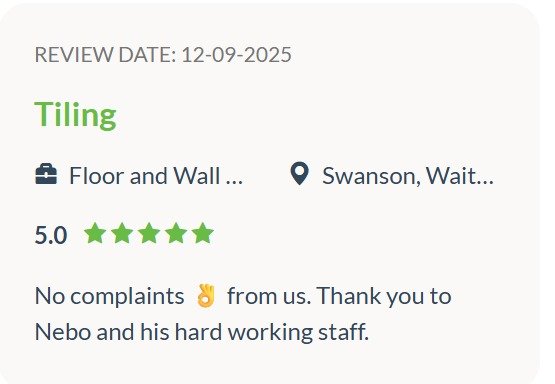
4.9 Reviews on Builderscrack

We are proud to serve Auckland area customers and provide best tiling experience from start to finish. On Builderscrack our customers reviewed us with 4.9 stars across the board. For more information and detailed reviews click here to see our Builderscrack public profile.
Trusted Partners We Work With

We only work with trusted suppliers and materials so our customers can be sure they will have the best results from start to finish.


FAQs

Got questions? Here’s everything you need to know before hiring a tiler

Commercial tiling involves significantly stricter requirements than residential work, and the distinction matters for both compliance and longevity. Commercial environments see far higher foot traffic, heavier loads, more frequent cleaning with industrial products, and, in many cases, exposure to moisture, grease, or chemicals. This means the tile specification, substrate preparation, adhesive selection, and waterproofing all need to meet a higher standard. In Auckland, commercial tiling work must also comply with the New Zealand Building Code and relevant TANZ best practice guidelines, and wet areas such as commercial bathrooms and kitchens require PS3 waterproofing documentation before a Code Compliance Certificate can be issued. Using a residential-grade tiler for a commercial project is one of the most common and costly mistakes business owners make.

Fully vitrified porcelain is the most widely recommended tile for commercial floors in New Zealand. It has a water absorption rate of 0.5% or less, making it highly resistant to moisture, staining, and the heavy cleaning regimes that commercial spaces require. For floors, look for a PEI rating of 4 or 5, which confirms the tile is rated for heavy foot traffic. The finish matters too – matte or textured surfaces provide better slip resistance than polished finishes, which is particularly important in entry areas, kitchens, and bathrooms where wet floors are common. For commercial kitchens specifically, slip resistance ratings of R11 or above are recommended. Large-format porcelain tiles are also popular in commercial lobbies and showrooms as they create a seamless, professional appearance with fewer grout lines to maintain.

Yes, in most cases. Any commercial building work involving waterproofing – including tiled bathrooms, kitchens, wet rooms, or any area where a waterproof membrane is installed – requires a building consent and a PS3 Producer Statement from a certified tiler before the Auckland Council will issue a Code Compliance Certificate. The PS3 confirms that the waterproofing membrane was installed using approved materials and processes, in compliance with NZ Building Code clauses B2 Durability and E3 Internal Moisture. This is not optional – without the correct documentation, your project will not receive final council sign-off. When selecting a commercial tiler in Auckland, always confirm they are registered as a PS3 author with the Auckland Council and hold current manufacturer certifications for the waterproofing system they use.

Timeline depends on the size of the space, the tile format, the complexity of substrate preparation required, and how many wet areas need to be waterproofed and flood-tested before tiling can begin. A straightforward commercial bathroom fitout might take three to five days; a large retail floor or commercial kitchen could take several weeks. Experienced commercial tilers in Auckland plan around business operating hours, phasing work to minimise disruption – for example, tiling in sections so areas can remain in use, or scheduling wet area work during weekends or overnight. Waterproofing membranes require a curing period before tiling can proceed, so factoring this into your timeline from the start avoids delays. The best way to manage disruption is to appoint a tiler with proven commercial project experience who can provide a clear schedule before work begins.

Not always – the technical requirements are quite different. Commercial kitchen floors must prioritise slip resistance, chemical resistance, and ease of cleaning above aesthetics. Tiles in food preparation areas should have a minimum R11 slip rating, be resistant to hot water and cleaning chemicals, and ideally use epoxy grout rather than cement-based grout to prevent bacterial growth and staining. Dining or retail areas have more flexibility and can use a wider range of finishes, but should still meet commercial-grade wear ratings. Wall tiles in commercial kitchens also need to be impervious and easy to clean to meet health and safety standards. A commercial tiler can specify the appropriate tile for each zone and ensure the installation meets both council requirements and industry best practice for your business.

Get A Quote Today

Let us know about your project, small or big, and we will make sure to make it for you.