Do Better Tile Materials Actually Pay Off?
Breaking down the real relationship between material quality, upfront cost, and the long-term value of your tiling investment.
The tile you choose today will live in your home for decades. Understanding the cost-quality relationship isn’t about spending more – it’s about spending wisely.
When it comes to tiling, the temptation to save money upfront is real. Budget-friendly tiles fill the shelves at every hardware store, and the price difference between a basic ceramic and a premium porcelain slab can feel jarring. But experienced tilers know something most homeowners don’t: the cheapest tile is rarely the most economical choice over time.
1. Material Spectrum – What Your Money Buys
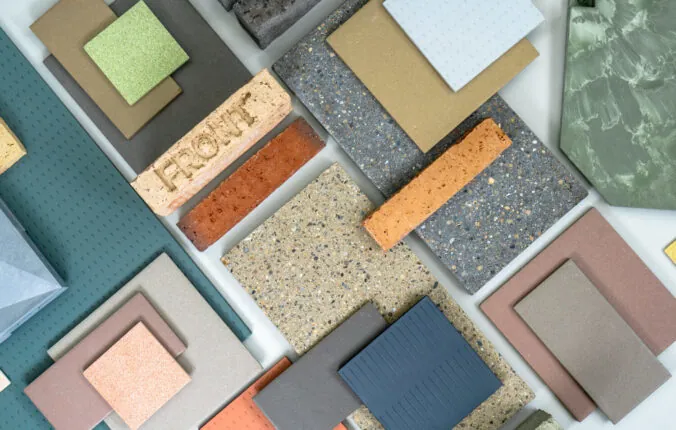
Not all tiles are created equal. From kiln-fired basics to the luxurious depths of natural stone, each material occupies a different position on the cost-quality spectrum. For deeper technical reading on tile specifications and material performance, Tile Letter is the leading international trade publication on the subject.
Porcelain is the sweet spot for most homes. It offers near-natural-stone aesthetics with superior stain, scratch, and moisture resistance – at a fraction of the maintenance cost. For high-traffic or wet areas, it’s often the most cost-effective long-term choice.
2. Quality Factors – Four Qualities That Justify the Price
When you pay more for a better tile, what exactly are you getting? These four qualities account for the bulk of the price difference – and they all translate directly into real-world value.
3. Hidden Costs – The True Price of Going Cheap
Lower-quality tiles rarely cost less in the long run. Here’s what often gets overlooked when choosing budget materials:
- More frequent replacement – cheaper tiles crack, chip, and wear faster, meaning you pay for the tile, the removal, and reinstallation all over again.
- Higher maintenance costs – porous or poorly glazed tiles stain easily and may require specialist cleaning products or periodic resealing.
- Subfloor damage risk – inferior water resistance in wet areas can allow moisture to penetrate, leading to structural damage that far outweighs any initial savings. BRANZ research consistently identifies moisture ingress behind inadequate tiling as one of the leading causes of structural building failure in New Zealand homes.
- Grout instability – lower-quality tiles are often less precisely dimensioned, causing uneven grout joints that crack and allow water ingress over time.
- Impact on property value – premium tiling is a genuine selling point; substandard finishes can reduce perceived home value or require costly replacement before sale.
“A tile laid well with premium materials is an asset. A tile laid poorly with cheap materials is a liability. The floor is one of the hardest things in a home to change – so choosing wisely at the start saves you money, disruption, and regret for decades.”
4. Installation – What Increases Installation Costs?
The tile itself is only part of the total cost equation. Installation complexity can significantly affect what you pay, regardless of the material selected.
Large-Format Tiles
Tiles over 600mm require more precise substrate preparation, specialist adhesives, and careful handling. The result is a seamless, contemporary look – but expect higher labour costs to reflect the added skill and time involved.
Intricate Patterns & Mosaics
Herringbone, basketweave, or custom mosaic layouts involve more cuts, more material waste, and considerably more skilled labour time. Budget for 15-25% more material than a straight lay requires.
Substrate Preparation
No tile performs better than the surface beneath it. A poorly prepared substrate – uneven, damp, or structurally compromised – will cause even the finest tile to crack or debond. Professional substrate preparation is not optional – it’s the foundation of a lasting installation. Build Magazine NZ offers detailed guidance on substrate standards and best-practice construction methods.
5. Application Guide – Matching Material to Space
Always match the tile’s technical specification to the demands of the space – not just its appearance. A beautiful marble that’s porous and slip-prone is the wrong tile for a busy family shower, regardless of how stunning it looks.
- Bathrooms & wet areas: Use fully vitrified porcelain or sealed natural stone with a minimum slip rating of R10 for floors. Waterproofing membranes are essential – installers working in Auckland must meet Auckland Council’s PS3 waterproofing requirements.
- Kitchen floors & splashbacks: Porcelain or glazed ceramic; prioritise stain resistance and ease of cleaning over surface texture.
- Living areas & hallways: Higher PEI-rated porcelain (PEI 4 or 5) handles foot traffic without surface wear. Large-format slabs create a strong impression of space.
- Outdoor & alfresco areas: Choose frost-resistant, high-slip-rated tiles with low water absorption. Rectified porcelain and natural slate are popular choices.
- Feature walls: Marble, book-matched stone, or large-format printed porcelain can shine here – lower traffic means you can prioritise aesthetics over technical durability.
6. Professional Installation – Why It Matters as Much as the Tile
Even the finest tile will fail if installed incorrectly. Professional installation ensures:
- Proper adhesive selection matched to the tile’s weight, porosity, and substrate type
- Correct substrate levelling to within the manufacturer’s tolerances
- Appropriate expansion joint placement to accommodate thermal movement
- Precise grout joint sizing that complements the tile format and design intent
- Waterproofing that meets or exceeds Building Code requirements
Working with a registered tiling professional – particularly one affiliated with TANZ (Tile Association of New Zealand) – gives you confidence that industry best practices are being followed from start to finish.
FAQs About How Better Materials Affect Cost VS Quality
Table of Content
- Do Better Tile Materials Actually Pay Off?
- 1. Material Spectrum – What Your Money Buys
- 2. Quality Factors – Four Qualities That Justify the Price
- 3. Hidden Costs – The True Price of Going Cheap
- 4. Installation – What Increases Installation Costs?
- 5. Application Guide – Matching Material to Space
- 6. Professional Installation – Why It Matters as Much as the Tile
- What Homeowners Ask Most About Tiles
- We Found The Same-Looking Tile at a Big Box Store For a Fraction of The Price - Will we Regret Buying Cheap Tiles?
- What's The Actual Difference Between Ceramic And Porcelain - They Look Identical?
- We're Selling Soon - is it Worth Upgrading Cheap Tiles Before Listing The House?
- Can I Use The Same Tile Indoors And Outdoors, or do I Need a Different Product?
- A Tiler Quoted Significantly More Than Another - What Actually Drives Installation Costs?